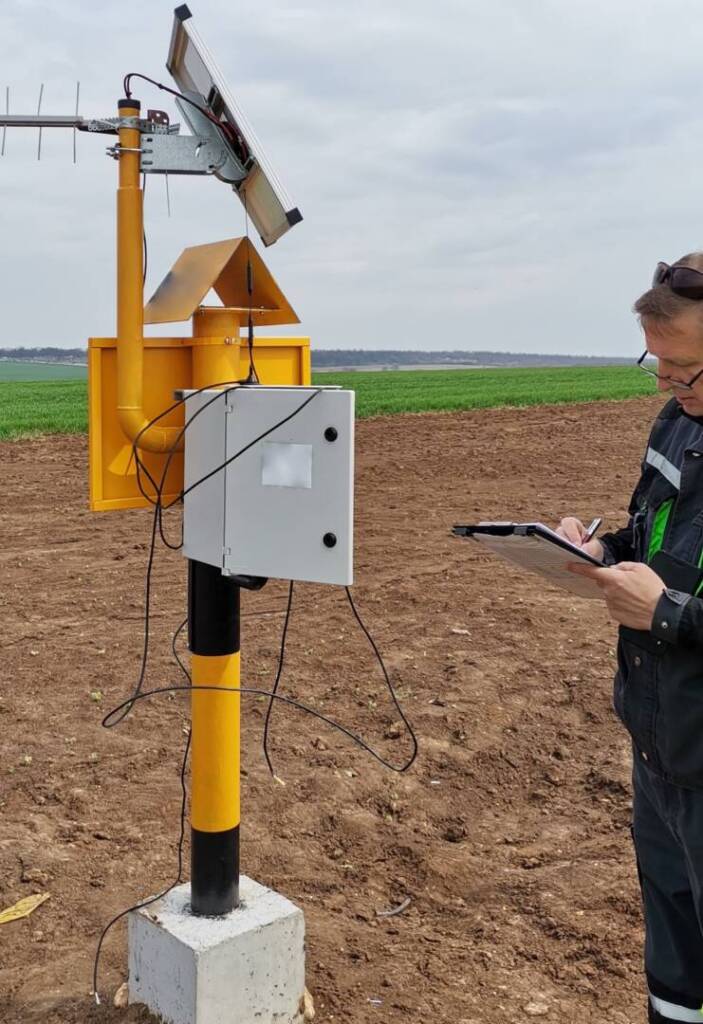
To assess the safety of electrical equipment and installations, operating with voltages up to 1000V, it is necessary to carry out various types of control.
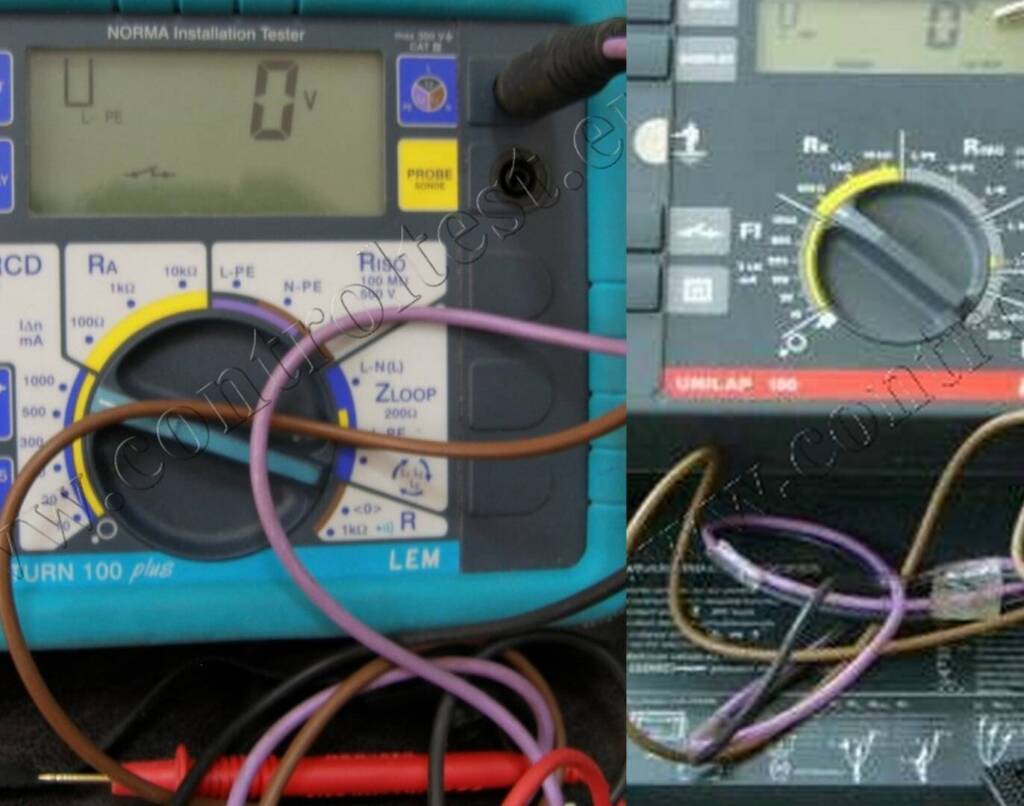
INSULATION RESISTANCE
Isolation of parts, under voltage is a safety measure. In the process of operation, the facilities are subjected to atmospheric, mechanical, thermal and chemical effects, which deteriorate the qualities of the insulation.
This necessitates periodic control of the insulation quality, by measuring its insulation resistance.
IMPEDANCE Zs OF THE “PHASE-PROTECTIVE WIRE” CIRCUIT
Protective zeroing is intended to prevent the retention of dangerous contact voltage on parts of electrical systems and equipment that do not belong to the working current circuit. The control of electrical devices is carried out periodically, specified in the project for the relevant electrical system or part of it, or according to local instructions, which reflect the specific characteristics of individual users, the specific requirements of industry safety rules, etc., as well as after a major repair of the devices.
FUNCTIONALITY OF PROTECTIVE DISCONNECT SWITCHES (FI-breakers)
The purpose of the "protective shutdown" is to switch off all phases of the supply voltage in the event of a leakage current greater than the permissible. This is achieved with circuit breakers, characterized by high sensitivity and reliability.
The control process includes leakage current measurement, allowable voltage and tripping time of the circuit breaker.
PROTECTIVE AND LIGHTNING PROTECTION GROUNDING INSTALLATIONS
Lightning protection is a complex of technical measures, designed to protect people, buildings, equipment and materials from lightning strikes.
Protective earthing is the connection of non-conductive metal parts to earth. If the insulation of these parts is broken, dangerous voltages can occur.
CATHODIC PROTECTION
Cathodic protection systems ensure proper functioning and optimal corrosion protection of pipelines and storage tanks. Monitoring cathodic protection systems helps extend asset life, minimizing downtime, reducing maintenance costs and protecting the environment from spills and pollution. This is a regulatory requirement for different industries.